
Maximizing Uptime: Essential Maintenance Tips for Diesel Construction Equipment
In the fast-paced construction industry, equipment downtime can translate into significant financial losses, project delays, and missed deadlines. Diesel construction equipment, from excavators to bulldozers, forms the backbone of most job sites, performing heavy-duty tasks that demand reliability and precision. Ensuring these machines remain operational is not just about convenience—it is essential for maintaining project efficiency, safeguarding investments, and upholding safety standards. With proper maintenance practices, construction managers can maximize uptime, prolong equipment life, and prevent costly breakdowns, ultimately enhancing both productivity and profitability. Furthermore, well-maintained equipment supports safer operations, reduces environmental impact through improved fuel efficiency, and strengthens a company’s reputation for reliability and professionalism.
Maximizing the operational reliability of diesel construction equipment requires a combination of proactive maintenance strategies, routine inspections, and a deep understanding of each machine’s specific requirements. Equipment operators, fleet managers, and maintenance personnel must work together to identify potential issues before they escalate into major failures. From monitoring fluid levels to adhering to manufacturer-recommended service intervals, each maintenance task plays a critical role in maintaining peak performance. This blog provides a comprehensive guide to essential maintenance practices that help reduce unexpected downtime, improve operational efficiency, and safeguard the longevity of diesel-powered construction equipment. By adopting these strategies, construction businesses can ensure their fleets remain ready to tackle demanding projects while minimizing costly interruptions. Ultimately, investing in systematic maintenance pays dividends in reliability, productivity, and long-term operational cost savings.
1. Regular Engine Maintenance
a. Importance of Engine Care
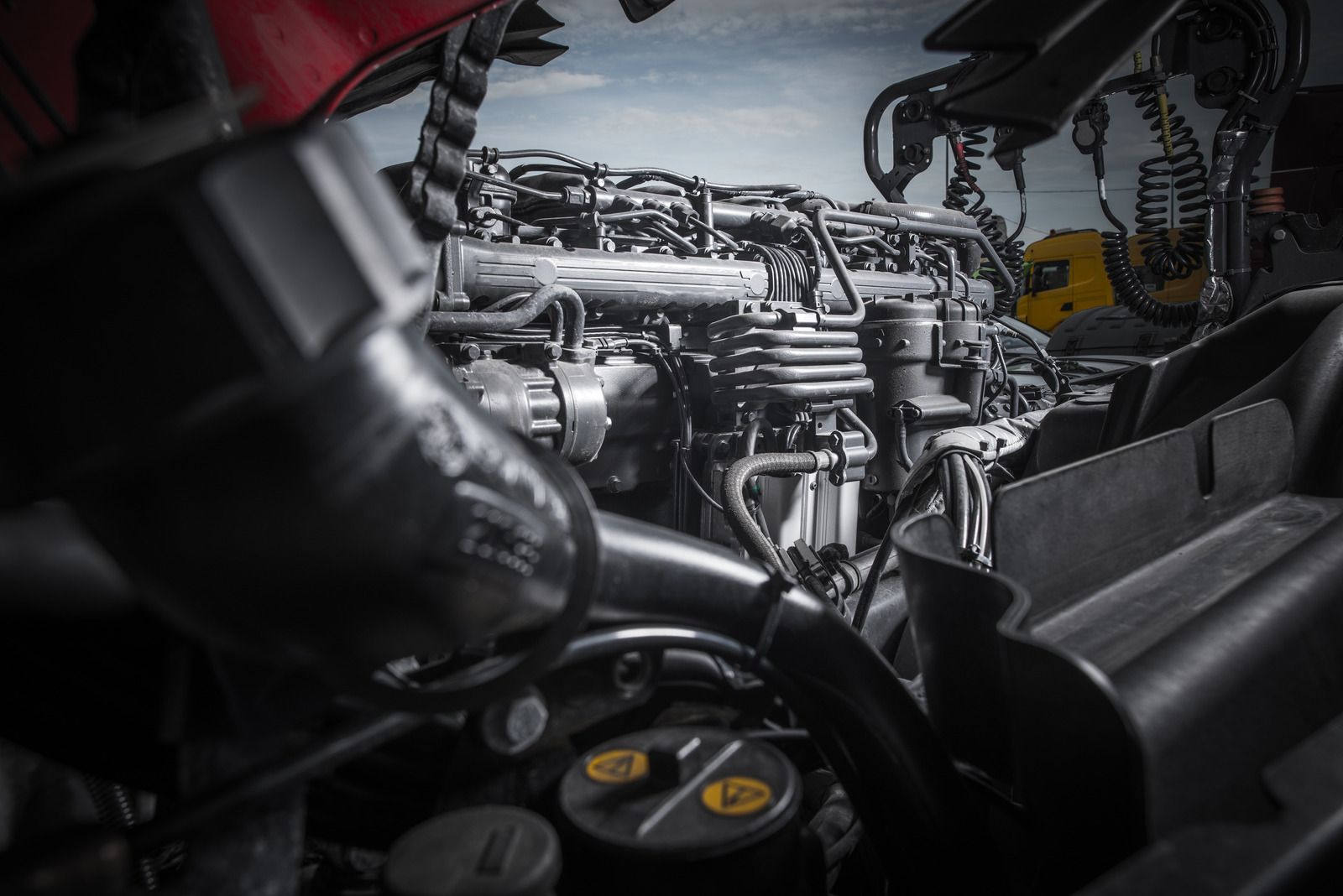
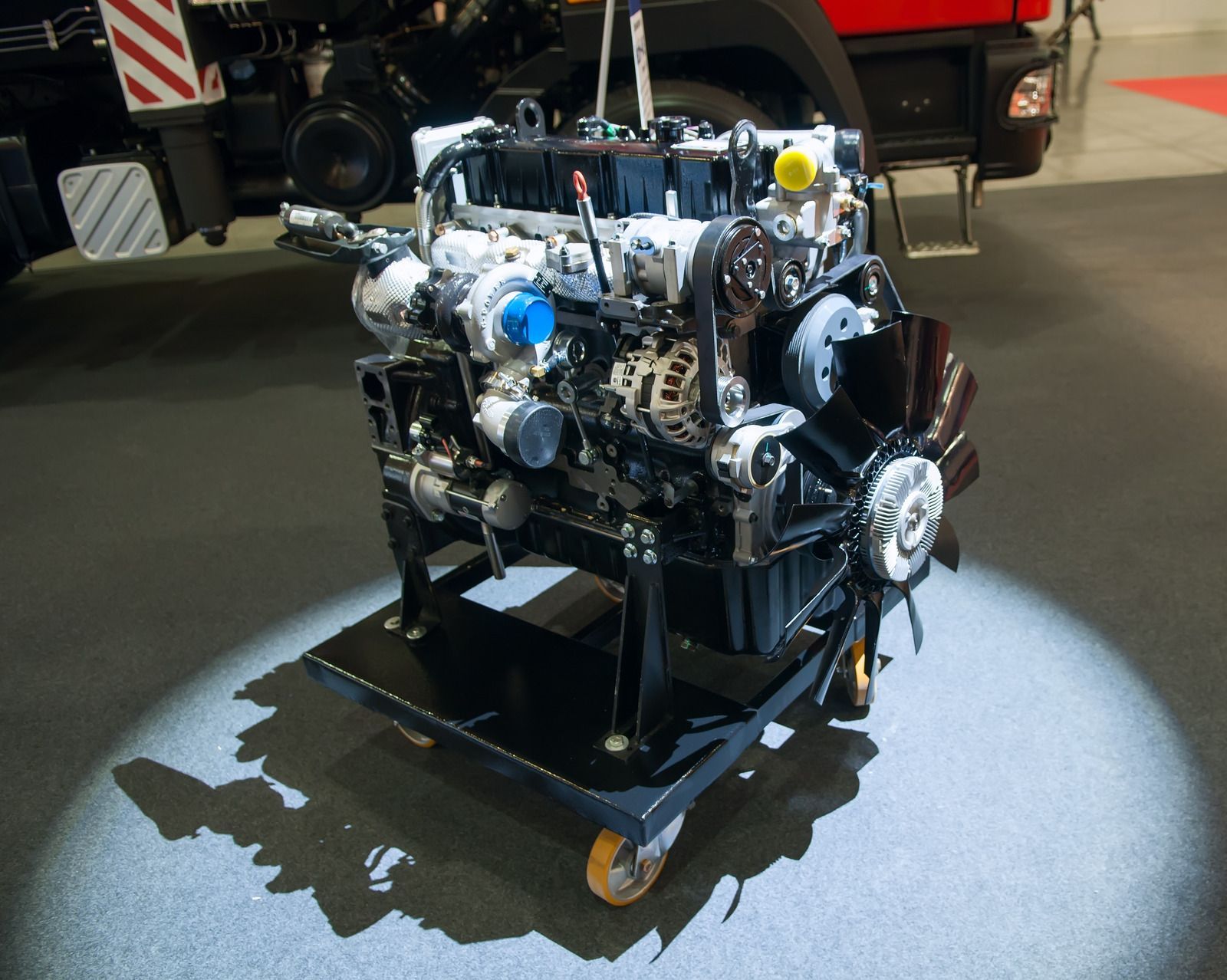
The engine is the heart of any diesel construction machine. Neglecting routine engine maintenance can result in reduced efficiency, higher fuel consumption, and expensive repairs. Diesel engines operate under extreme stress and high torque, making them susceptible to wear and tear if not properly maintained. Prioritizing engine upkeep ensures optimal power output, smooth performance, and extended equipment life.
b. Oil Changes and Filtration
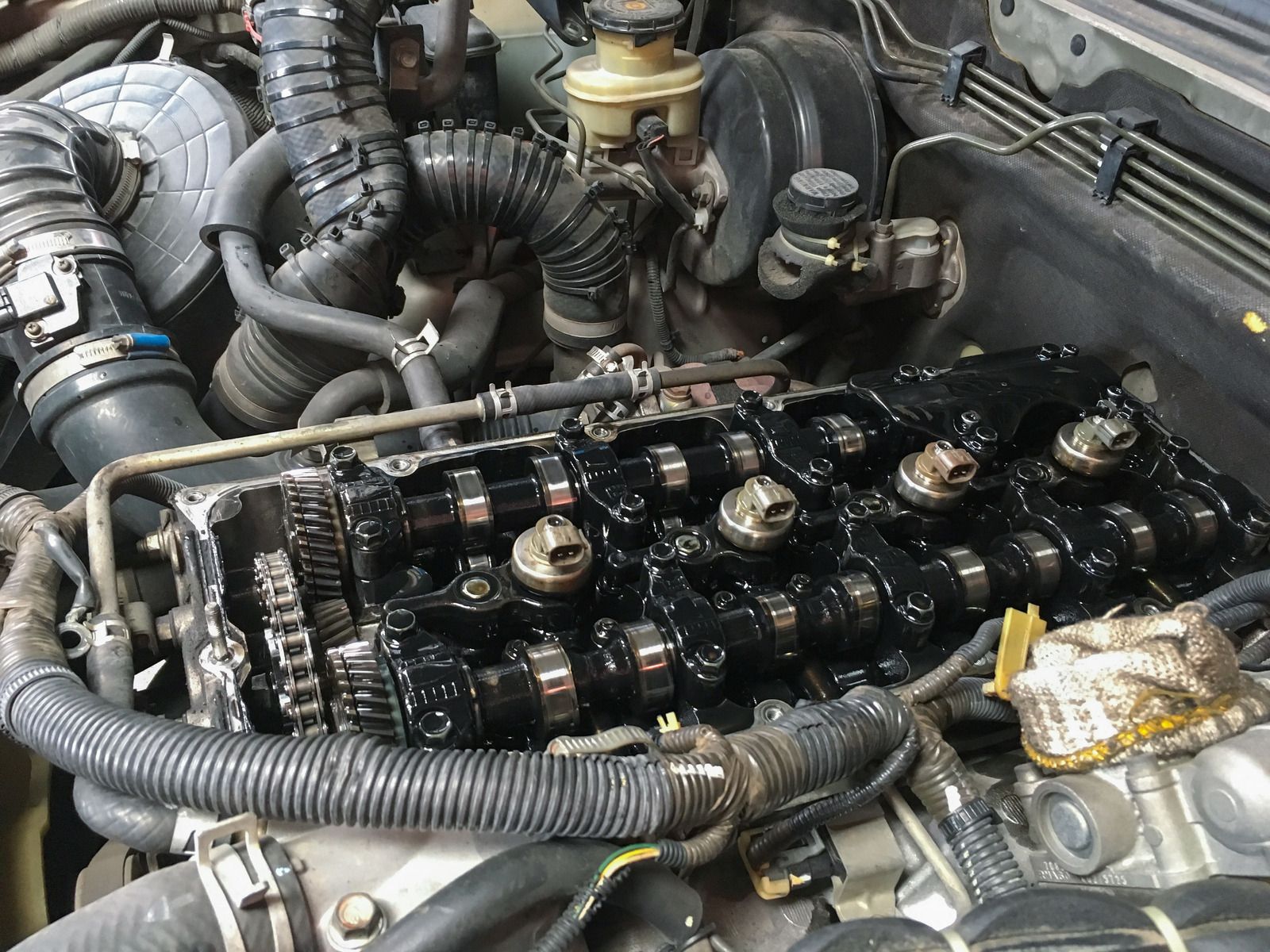
Regular oil changes are crucial for keeping engines lubricated and reducing internal friction. Using high-quality diesel engine oil recommended by manufacturers minimizes the risk of component wear and sludge buildup. Coupled with proper oil filtration, this practice protects critical engine parts such as pistons, crankshafts, and camshafts. Operators should follow manufacturer guidelines for oil change intervals, which often vary based on engine size, operating conditions, and hours of usage. Real-world scenarios demonstrate that fleets adhering to scheduled oil maintenance experience up to 20% fewer engine failures compared to those with irregular servicing.
c. Cooling System Management
Diesel engines generate significant heat during operation, and maintaining the cooling system is essential for preventing overheating. Regular inspection of radiators, coolant levels, and hoses ensures efficient heat dissipation. Using the correct coolant mixture and flushing the system at recommended intervals prevents corrosion, deposits, and leaks. Overheating not only reduces engine performance but can also lead to irreversible damage, emphasizing the importance of diligent cooling system management.
2. Fuel System Maintenance
a. Understanding Fuel Contamination
Diesel fuel quality directly affects engine performance. Contaminated fuel, containing water, dirt, or microbial growth, can clog filters, damage injectors, and reduce combustion efficiency. Regularly checking fuel storage, using clean containers, and ensuring proper fuel filtration are critical practices. Water separation filters and sediment traps provide added protection against contamination, helping maintain smooth engine operation.
b. Injector and Pump Care
Fuel injectors and pumps are precision components essential for efficient diesel combustion. Clogged or worn injectors result in uneven fuel delivery, reduced power, and increased emissions. Cleaning or replacing injectors at manufacturer-specified intervals preserves engine efficiency. Similarly, monitoring pump pressure and responsiveness ensures optimal fuel flow. Failure to maintain these systems often leads to performance degradation and higher maintenance costs.
c. Preventive Fuel Maintenance Practices
In addition to filtration and injector care, operators should adopt preventive fuel maintenance measures such as keeping tanks filled during extended storage to prevent condensation, periodically using fuel additives for cleaning, and monitoring fuel quality during delivery. Such practices minimize downtime, prevent corrosion in fuel lines, and extend the overall lifespan of the diesel engine.
3. Hydraulic System Care
a. The Role of Hydraulics in Construction Equipment
Hydraulic systems power many construction tasks, from lifting and digging to precise movement control. Malfunctioning hydraulics can cripple machinery, halting operations and causing delays. Proper maintenance ensures smooth performance, reduces wear on hydraulic components, and prevents costly repairs.
b. Regular Fluid Checks and Replacement
Hydraulic fluids lubricate components, transfer power, and dissipate heat. Monitoring fluid levels and quality is essential, as contaminated or degraded fluid can damage pumps, cylinders, and hoses. Regular fluid replacement and using manufacturer-approved hydraulic oil help maintain system efficiency and prevent system failures. Operators should also check for leaks, as even small losses can indicate underlying issues requiring immediate attention..
c. Filter Maintenance and System Flushing
Hydraulic filters trap contaminants that can cause internal damage. Routine filter inspections and replacements safeguard pumps and valves from excessive wear. Periodically flushing the hydraulic system removes accumulated debris and ensures consistent performance. Field studies reveal that fleets with disciplined hydraulic maintenance protocols experience fewer unscheduled breakdowns and lower repair costs..
4. Electrical and Battery Systems
a. Electrical System Overview
Modern diesel construction equipment relies heavily on electrical systems to power lights, sensors, control modules, and auxiliary equipment. Electrical failures can render machinery inoperative, particularly in automated or GPS-integrated models. Proactive electrical maintenance ensures reliability and reduces the likelihood of sudden equipment shutdowns.
b. Battery Health and Connections
Batteries supply essential starting power and maintain electrical stability. Checking battery charge levels, cleaning terminals, and ensuring secure connections prevent starting issues and voltage fluctuations. Replacing aging batteries before they fail avoids project delays, especially in cold-weather environments where battery performance can decline rapidly.
c. Wiring and Control Module Inspection
Wiring insulation, connectors, and control modules should be routinely examined for wear, corrosion, or loose connections. Damaged wiring can lead to short circuits, intermittent power loss, or sensor malfunctions. Preventive inspection, combined with using high-quality replacement parts, reduces downtime and improves safety on the job site.
5. Undercarriage and Structural Components
a. Importance of Undercarriage Maintenance
For tracked and wheeled machinery, the undercarriage bears the brunt of operational stress. Wear on tracks, rollers, and idlers can lead to poor traction, uneven operation, and equipment instability. Regular inspection and lubrication of moving parts prevent premature wear and enhance machine longevity.
b. Track Tension and Alignment
Maintaining proper track tension prevents slippage, uneven wear, and potential derailment. Misaligned tracks can cause stress on the drive system and lead to expensive repairs. Daily visual inspections and adjustments according to manufacturer guidelines ensure safe and efficient operation..
c. Structural Integrity Checks
Welds, pins, and frames endure continuous stress during construction operations. Identifying cracks, bends, or signs of fatigue early prevents catastrophic failures. Reinforcing weak points and following preventive maintenance schedules significantly reduce downtime and extend service life.
6. Operator Practices and Training
a. Role of Operators in Maintenance
Even the most robust maintenance program can fail without skilled and attentive operators. Proper operation minimizes strain on equipment, ensures adherence to service schedules, and helps detect potential issues early. Training operators in preventive maintenance routines enhances overall fleet reliability.
b. Daily Inspections and Reporting
Encouraging operators to perform pre- and post-operation inspections identifies minor problems before they escalate. Simple checks of fluid levels, hydraulic hoses, tire or track conditions, and visible leaks can prevent major failures. Prompt reporting ensures maintenance teams address issues in a timely manner.
c. Efficient Operation Techniques
Operators should be trained in techniques that reduce mechanical stress, such as avoiding overloading, maintaining steady operating speeds, and using equipment within recommended limits. Efficient operation not only preserves equipment health but also reduces fuel consumption and enhances safety.
Maximizing Productivity with Trusted Diesel Equipment Experts
Effective maintenance of diesel construction equipment is a critical factor in maximizing uptime, reducing operational costs, and ensuring project efficiency. By prioritizing engine care, fuel system management, hydraulic system upkeep, electrical reliability, and undercarriage integrity, construction companies can prevent costly downtime and extend the lifespan of their machinery. Operator training, daily inspections, and adherence to manufacturer guidelines further reinforce these practices, creating a culture of proactive equipment management. Real-world experience consistently demonstrates that disciplined maintenance programs directly correlate with higher productivity, lower repair expenses, and safer job site conditions. In addition, adopting a systematic approach to preventive maintenance allows fleets to better predict service needs, allocate resources efficiently, and respond quickly to unforeseen challenges. These strategies not only safeguard equipment but also enhance overall operational performance and competitiveness in the construction industry.
At The Real Deal Diesel
in LaFollette, TN, we leverage 15
years of hands-on experience to help clients optimize the performance and reliability of their diesel construction fleets. Our team understands the unique challenges faced by heavy machinery operators and provides expert guidance, comprehensive maintenance services, and preventive solutions tailored to each piece of equipment. Partnering with The Real Deal Diesel
ensures that your machines remain in peak condition, projects stay on schedule, and investments are fully protected. Our commitment to excellence and decades of proven expertise make us a trusted authority in diesel equipment maintenance. Beyond maintenance, we also offer personalized consultations and training programs to empower operators with the knowledge and skills needed to prevent issues before they arise, ensuring maximum uptime and long-term reliability.