
Full-Service Diesel Repair Checklist: Ensuring Your Truck Is Road-Ready
Maintaining a diesel truck goes far beyond routine fueling and tire checks. For fleet owners, long-haul drivers, and even casual operators, ensuring a truck is in top condition requires a systematic, full-service approach to maintenance and repair. Diesel engines are robust and reliable, but they also operate under higher pressures and stress compared to gasoline engines. This makes a comprehensive inspection and repair regimen critical for safety, performance, and longevity. A single overlooked component, from the fuel system to brakes, can compromise the vehicle’s reliability, resulting in costly downtime and potentially dangerous situations on the road.
With the increasing complexity of modern diesel engines, including electronic control modules, turbochargers, and advanced emissions systems, a detailed, organized repair checklist is more relevant than ever. Properly maintaining these systems ensures not only compliance with regulations but also maximizes fuel efficiency and prevents premature wear. In this blog, we will provide a structured full-service diesel repair checklist, guiding truck owners, mechanics, and fleet managers through each critical component and maintenance step. By following this checklist, operators can confidently ensure their vehicles are road-ready, mitigate unexpected failures, and extend the operational life of their diesel trucks.
Engine and Fuel System Inspection
Engine Oil and Filter Check
Regular oil changes are the backbone of diesel engine longevity and overall reliability. Diesel engines operate under extreme heat and pressure, making high-quality oil essential for proper lubrication, cooling, and cleaning of all internal components. Inspecting oil levels and changing filters at manufacturer-recommended intervals prevents sludge buildup, reduces engine wear, and helps maintain consistent performance under heavy loads.
Best Practice: Always use diesel-specific oil with the appropriate viscosity rating for your engine. Mechanics should also inspect for leaks around the oil pan, valve covers, and gaskets. A thorough visual inspection can reveal early signs of engine stress, such as discoloration, foaming, or metallic particles in the oil, which often indicate potential mechanical issues before they worsen.
Fuel System Check
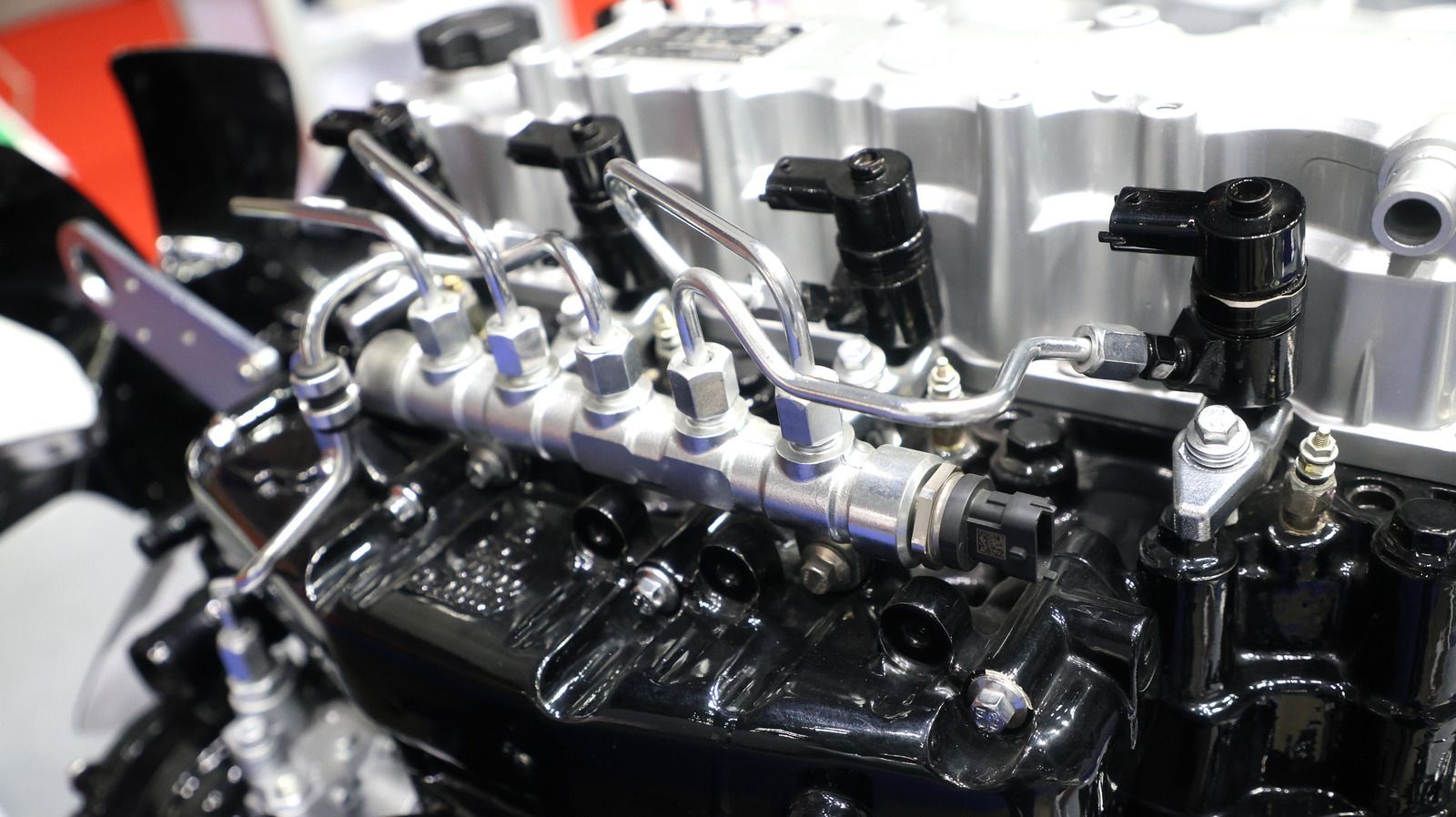
The diesel fuel system is complex, consisting of high-pressure pumps, injectors, filters, and fuel lines that all work together for optimal combustion. A complete fuel system inspection should include filter replacement, injector performance testing, and checking for leaks or air intrusion in the lines to ensure reliable fuel delivery.
Real-World Scenario: A fleet truck experiencing hesitation or loss of power under load may not need a full engine overhaul; often, clogged injectors or a failing fuel pump are the primary root cause. Regular inspection prevents expensive downtime, ensures consistent fuel efficiency, and safeguards engine performance for long-term reliability.
Transmission and Drivetrain Evaluation
Transmission Fluid and Filter
Diesel transmissions endure heavy torque loads and high-stress operating conditions and must be monitored closely for optimal performance. Checking transmission fluid levels, color, and consistency can prevent slippage, overheating, and serious mechanical failure. Fluid that smells burnt or appears dark brown often indicates internal wear, contamination, or impending failure. Filters should be replaced according to manufacturer guidelines to maintain smooth gear engagement and protect transmission components from damage.
Actionable Insight: Keep a detailed maintenance log to track fluid changes and transmission service intervals accurately. Early detection of transmission issues reduces repair costs significantly and minimizes the risk of breakdowns during long-haul operations.
Drivetrain Components
The drivetrain—including driveshafts, universal joints, differentials, and axles—transfers engine power efficiently to the wheels under all operating conditions. Inspecting for wear, lubrication, and proper alignment is essential for preventing vibrations, uneven load distribution, or sudden mechanical failure. Worn U-joints or unbalanced driveshafts can cause excessive noise, abnormal vibrations, or even catastrophic failure while on the road.
Expert Tip: During routine service, visually inspect differential housing seals for leaks and check for unusual metallic debris in the gear oil. These early warning signs often precede costly failures if left unaddressed and should be corrected promptly to maintain optimal drivetrain performance.
Brake System and Suspension Review
Brake Pads, Rotors, and Lines
Diesel trucks are heavier than standard vehicles, meaning their braking system is under constant high stress. Brake pads, rotors, and calipers should be examined carefully for wear and remaining thickness. Additionally, brake fluid must be checked for moisture contamination, which can significantly reduce stopping power. Lines and hoses should be inspected for cracks, bulges, or leaks, which are particularly critical for long-haul vehicles operating at high speeds under heavy loads.
Scenario: A delivery truck experiencing “soft” or delayed brakes may simply require bleeding and fluid replacement, rather than a full brake overhaul. Routine inspections reduce emergency repairs, improve driver safety, and ensure braking systems remain responsive in critical situations.
Suspension Components
Suspension ensures vehicle stability, smooth handling, and driver comfort, while diesel trucks carry significant weight loads that accelerate wear on components. Shock absorbers, struts, leaf springs, and bushings should be thoroughly checked for wear, cracks, or deformation. Worn suspension parts not only degrade handling and ride quality but can lead to uneven tire wear and increased stress on the drivetrain, ultimately causing mechanical failures.
Best Practice: Combine visual inspections with a short test drive to detect issues like excessive bouncing, pulling to one side, or abnormal vibrations. Preventative suspension maintenance enhances vehicle longevity, reduces roadside breakdowns, and helps maintain overall fleet efficiency over time.
Cooling and Exhaust System Maintenance
Radiator and Cooling System
Diesel engines generate intense heat, making the cooling system one of the most critical areas for regular maintenance. Radiators, hoses, water pumps, and coolant levels should be inspected thoroughly and replaced as necessary. A blocked radiator, leaking hose, or failing water pump can quickly lead to overheating, severe engine damage, and expensive repairs if not addressed promptly.
Example: Fleet operators often schedule a mid-season cooling system flush, especially in trucks that operate under extreme temperatures or heavy loads. This simple preventive procedure prevents scale buildup, maintains engine efficiency, and avoids costly failures while extending engine life.
Exhaust and Emissions Components
Modern diesel trucks include advanced emissions systems such as diesel particulate filters (DPF), exhaust gas recirculation (EGR) valves, and selective catalytic reduction (SCR) systems, which require regular monitoring. Inspecting these components ensures compliance with local and federal regulations, reduces harmful emissions, and prevents performance degradation or turbocharger damage.
Actionable Tip: A DPF warning light is not just an annoyance; ignoring it can lead to turbocharger and engine damage. Routine maintenance of the exhaust system, including sensor checks, cleaning, and component inspection, ensures optimal engine function, environmental compliance, and improved fuel efficiency.
Electrical and Safety Systems Check
Battery and Charging System
Diesel engines require a powerful starting system, particularly in cold climates or during extended idling periods. Battery condition, terminals, and alternator output should be checked for corrosion, proper voltage, and overall performance. Weak batteries or faulty alternators can lead to no-start conditions, disrupt electrical systems, or prevent proper operation of engine control modules.
Expert Insight: Load testing a battery during routine maintenance identifies declining capacity before it results in a roadside failure. Proactively replacing aging batteries and maintaining the charging system reduces the risk of unexpected downtime and ensures reliable engine starts under all conditions.
Lighting and Safety Features
Truck lighting, including headlights, brake lights, and turn signals, must function flawlessly to comply with regulations and maintain driver safety. Additionally, safety features such as anti-lock brakes, stability control, and tire pressure monitoring systems should be verified and recalibrated if needed. Malfunctioning lights or safety electronics can lead to regulatory fines, accidents, or serious hazards on the road.
Best Practice: Create a simple pre-trip checklist for drivers to verify all lights and safety systems before each journey. This proactive habit significantly reduces compliance issues, improves overall road safety, and ensures the truck is fully operational before departure.
Tires, Fuel Efficiency, and Preventive Maintenance
Tire Health and Alignment
Diesel trucks operate under heavy loads, which makes tire inspections critical for safety, efficiency, and longevity. Check tread depth, sidewall integrity, and evenness of wear, as improper alignment, underinflation, or uneven wear can reduce fuel efficiency and increase accident risks. Tires also affect braking performance and suspension stress, so monitoring them closely is essential.
Scenario: A long-haul truck experiencing frequent or rapid tire wear may have subtle alignment or suspension issues that, if corrected, improve tire life, enhance fuel economy, and reduce overall operational costs.
Fuel Efficiency and Preventive Practices
Beyond physical inspections, monitoring fuel efficiency can highlight hidden mechanical issues or system inefficiencies. Sudden drops in miles per gallon may indicate problems with the fuel system, turbocharger, injector performance, or engine tuning. Preventive maintenance, including software diagnostics, component replacements, and system calibration, keeps diesel trucks operating efficiently.
Best Practice: Implementing a digital maintenance log allows fleet managers to track inspections, repairs, and performance trends over time. This data-driven approach prevents costly surprises, ensures timely repairs, and extends the lifespan of critical engine and drivetrain components for long-term operational reliability.
Professional Diesel Technicians Maximizing Vehicle Longevity
A comprehensive
diesel repair
checklist ensures trucks remain safe, efficient, and road-ready. From engine oil and fuel systems to brakes, suspension, cooling, and electrical systems, every component plays a vital role in reliable performance. For over 15
years, The Real Deal Diesel
in LaFollette, TN, has provided trusted full-service diesel repair solutions. With decades of hands-on experience, the team ensures every truck—whether for local delivery, long-haul transport, or commercial fleet use—is thoroughly inspected, maintained, and optimized. From engine diagnostics to suspension work, brake services, and emissions compliance, The Real Deal Diesel
delivers reliable, expert service tailored to each customer’s needs. Drivers and fleet operators can rely on their commitment to quality, professionalism, and proactive maintenance strategies that keep trucks road-ready and performing at their best.