
Managing Diesel Engine Emissions: Tips for Staying Compliant with EPA Regulations
Quick Answer: Staying compliant with EPA emissions rules on a diesel engine comes down to routine, unglamorous care of three systems working together: the diesel particulate filter (DPF), the selective catalytic reduction (SCR) system that runs on diesel exhaust fluid (DEF), and the EGR valve. Federal law requires these systems to keep functioning as they were designed, and tampering with or removing any of them is prohibited under the Clean Air Act. Most compliance problems trace back to avoidable habits rather than bad luck: contaminated or frozen DEF, short trips that never let the DPF regenerate, carbon buildup in the EGR valve from extended idling, and skipped oil or filtration service. None of that requires special tools on the owner's side, just consistent habits and a periodic professional look at how the systems are performing together. A diesel that gets this kind of routine attention rarely has a surprise waiting for it at inspection time.
You are looking at a few months of runway before your next DOT inspection, and instead of waiting to see what the sticker on the windshield forces you to deal with, you would rather get ahead of it. Maybe it is early fall and you know winter routes through the hills around LaFollette and Jacksboro tend to be shorter, colder, and harder on a truck than the open highway stretches of summer. Either way, the goal is the same: keep the truck compliant before a warning light ever has a reason to come on, not scramble to fix something once it already has.
That kind of planning matters more for a diesel's emissions systems than almost any other part of the truck. The DPF, the SCR system, and the EGR valve were not built to run untouched for the life of the engine. They depend on heat, clean fluid, and habits that either help them do their job or quietly work against them. Drivers running shorter routes through Caryville, Jellico, or Clinton, with a lot of stop and go driving or idling at a job site, put more strain on these systems than a truck that spends most of its life at highway speed, which makes proactive care even more worth building into a routine.
What Staying Compliant Actually Involves
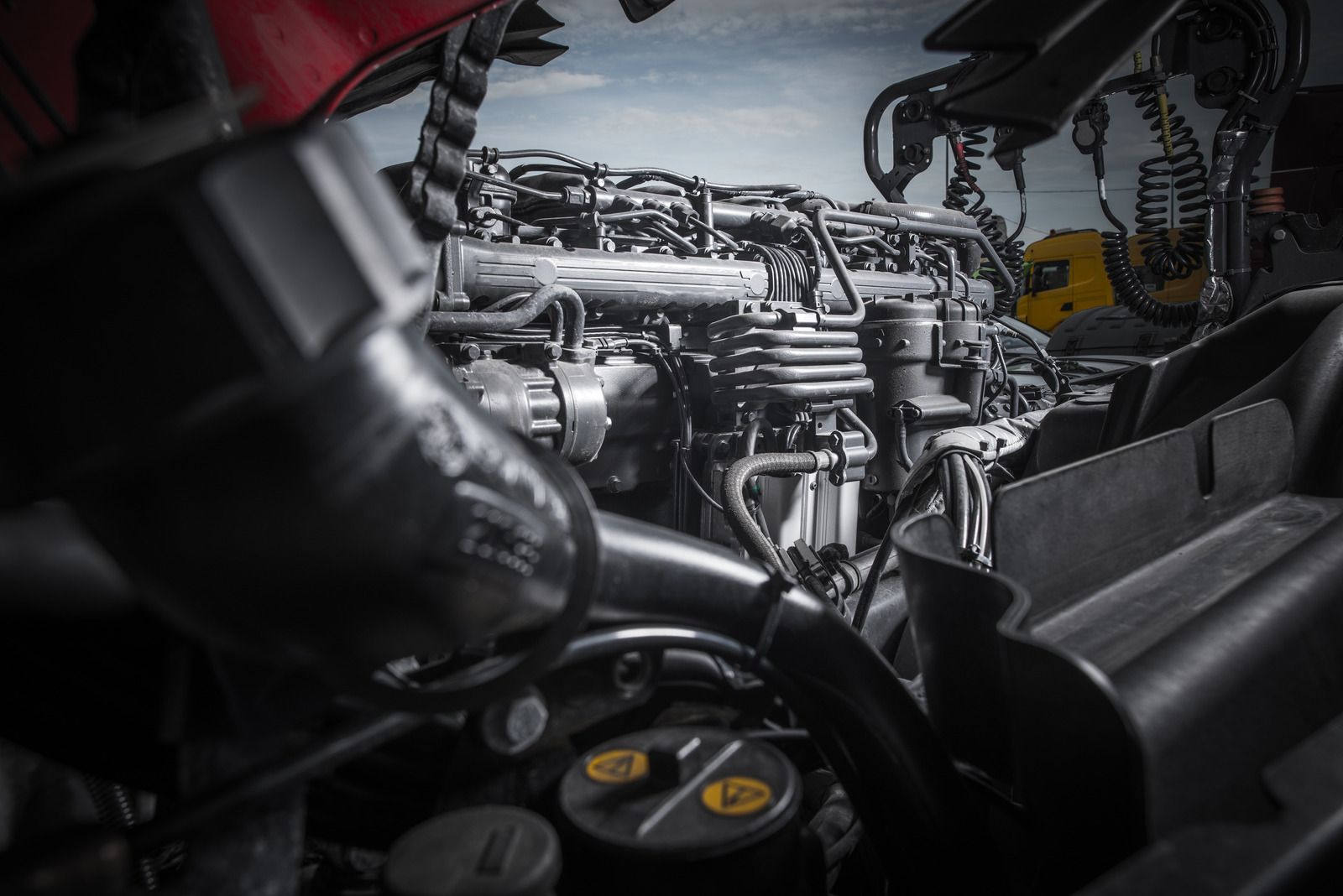
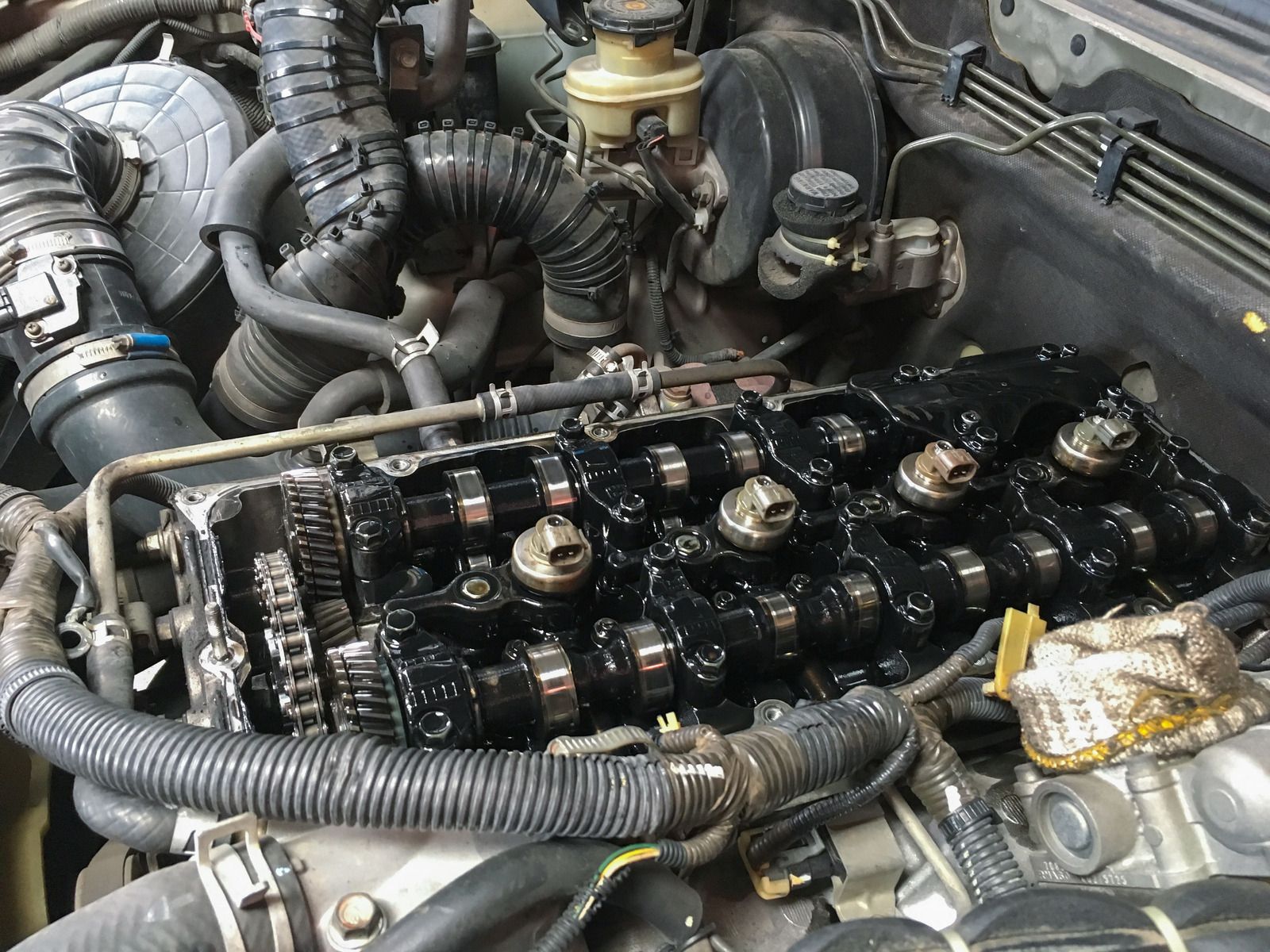
Compliance is not a single checkbox. It is the ongoing result of three systems doing what they were engineered to do. The DPF is a ceramic filter built into the exhaust that physically traps soot before it leaves the tailpipe, then periodically burns that soot off in a process called regeneration. The SCR system injects DEF, a precise mixture of urea and deionized water, into the hot exhaust stream, where it reacts with a catalyst to convert nitrogen oxides into nitrogen gas and water vapor. The EGR valve routes a portion of exhaust gas back into the engine's intake, which lowers combustion temperatures and reduces the amount of nitrogen oxide the engine produces in the first place.
Federal regulations require these systems to include onboard monitoring, so the engine's computer is watching all three constantly and will log a fault or trigger a warning light well before a problem becomes severe. That monitoring is a useful tool for an owner rather than something to work around. A truck that is staying ahead of its emissions maintenance almost never sees that warning light in the first place, because the underlying conditions that trigger it, low DEF quality, a clogging filter, a carbon coated valve, get addressed as routine service rather than emergency repair.
Daily and Weekly Habits That Keep DEF and the SCR System Working
Treat DEF as a Precision Fluid, Not an Afterthought
DEF may look like water, but contamination can quickly create SCR problems. Buy fresh stock, keep containers sealed, and use dedicated funnels or pour spouts that have never contacted diesel, oil, or other fluids.
Watch DEF Levels the Way You Watch Fuel
Letting the DEF tank run low increases the chance of drawing sediment or air. Follow a regular refill schedule based on your routes, especially before longer trips where DEF may be difficult to find.
Give the Fluid Room to Handle Cold Weather
DEF freezes at about 12 degrees Fahrenheit, making cold mornings a consideration in East Tennessee. Most trucks have heated tanks and lines, so allow the system time to thaw before loading.
Never Let DEF Sit Open to the Air
Keep DEF sealed because exposure can encourage urea crystallization, creating deposits that restrict injectors, dosing valves, and filters. Even with a full tank, restricted components can prevent accurate delivery and trigger system faults.
Tip: Keep a dedicated, clean container and pour spout in the truck just for DEF, separate from anything used for fuel or oil, and store it somewhere it will not sit in direct summer heat for weeks at a time. That single habit prevents most of the contamination issues that end up as SCR fault codes.
Fuel, Oil, and Filtration Habits That Support Compliance
The DPF and EGR valve are both sensitive to how clean the fuel and oil running through the engine actually are. Fuel that burns less completely leaves more soot behind, and that soot has to go somewhere: into the DPF, where it accelerates the need for regeneration, and into the EGR valve, where it builds up as carbon on the pintle and seat over time. Sourcing fuel from a station with steady turnover and keeping your own fuel filtration current reduces that soot load before it ever reaches the exhaust system.
Oil matters just as much, in a way that is easy to overlook. Ash left behind by the DPF's regeneration cycles builds up permanently inside the filter, and using oil that meets the engine manufacturer's low ash specification slows that accumulation considerably compared to running the wrong grade. Once a filter is loaded with ash rather than soot, driving alone will not clear it. It has to come out for professional cleaning or replacement, which is a far more involved repair than staying current on oil changes ever is.
Water separators deserve regular attention too. Moisture that makes it into the fuel system does not just risk injector damage on its own; it also tends to travel with the same fine particulate that fouls filters and clogs sensors throughout the exhaust and emissions hardware. Draining the separator on schedule, rather than only when a warning shows up, keeps one more variable out of the equation.
Building Inspection Readiness Into Your Routine
A diesel that stays inspection ready year round is not one that gets a last minute check before the sticker expires. It is one where routine service already covers what an inspector will be looking at: functioning DEF sensors, a DPF that regenerates normally without excessive frequency, and an EGR valve that is not throwing a position fault. Keeping basic records of oil changes, filter swaps, and any DEF related service gives you something concrete to point to if a fault does come up, and it helps a technician diagnose faster if something eventually needs attention.
Pay attention to gradual changes rather than waiting for a light to confirm what the truck is already telling you. A slow drop in fuel economy over a few weeks, more frequent regeneration cycles than the truck used to need, or a rougher idle than normal are all early signals worth having looked at, since several of these symptoms can point to more than one system and are easier to sort out with a proper scan than by guessing.
Pairing routine service with an occasional full diagnostic scan, even when nothing seems wrong, catches issues the dash has not flagged yet. Emissions related sensors can drift out of calibration gradually, and a scan reads that data directly instead of waiting for a fault threshold to be crossed.
Why Tampering and Emissions Deletes Work Against You
It is worth addressing directly, since the aftermarket makes it sound appealing: removing or bypassing the DPF, EGR, or SCR system, often paired with a tune that reprograms the engine computer, gets marketed as a way to add power and skip the maintenance described above. In practice, it trades a manageable set of habits for a permanent problem. Tampering with a diesel's emissions control system, meaning removing, disabling, or bypassing any of this hardware, is prohibited under the Clean Air Act's anti tampering provisions, and that applies to the truck owner as well as anyone who sells or installs a part meant to defeat those systems.
Beyond the compliance question, a deleted engine tends to run into more problems than it avoids. Missing hardware is visible on a physical inspection, and modern diagnostic equipment is built specifically to flag a truck whose onboard computer is not reporting the monitors it should be reporting for its model year. Removing these systems also tends to accelerate wear elsewhere: more soot reaching the turbo, more heat stress on components engineered to work alongside the emissions hardware rather than without it, and a much harder truck to diagnose later since the fault data a technician would normally rely on has often been altered along with the hardware.
Warning: A deleted or tampered emissions system is also a resale problem. Buyers increasingly avoid trucks with missing emissions hardware because of the inspection and financing complications that follow, and restoring a system correctly after the fact is almost always a bigger job than keeping the original hardware maintained would have been.
Seasonal Considerations for East Tennessee Diesel Owners
Cold snaps change the math on all three systems at once. DEF is more likely to sit near freezing overnight, short winter trips give the DPF less chance to reach regeneration temperature, and extended idling to keep a cab warm accelerates carbon buildup in the EGR valve rather than helping it. None of these are reasons to avoid winter driving, just reasons to be more deliberate about it. Letting a heated DEF tank fully thaw before a heavy load, building in an occasional longer stretch of highway driving even during a season of mostly short routes, and minimizing unnecessary idle time all work in the emissions system's favor during the months East Tennessee tends to be hardest on a diesel.
Towing and hauling heavy through the grades around Highway 25W or up toward Oak Ridge and Powell puts its own demands on these systems, since sustained load and higher exhaust temperatures actually help the DPF regenerate passively, while a truck that only hauls short and light rarely gets that benefit. Matching your driving pattern to what these systems need, rather than assuming maintenance alone will cover for a truck that never gets a real highway run, keeps all three systems working the way they were designed to.
Frequently Asked Questions
How often should I check my diesel's DEF and emissions system on my own?
Check DEF levels before long hauls just like you check fuel. Watch weekly for fuel economy changes, regeneration frequency, or idle smoothness shifts. Get a full diagnostic scan every few months for early problem detection.
Is it legal to remove my diesel's DPF or EGR valve if it keeps causing problems?
No. Removing emissions equipment violates Clean Air Act anti-tampering provisions. Malfunctioning components should be diagnosed and repaired, not deleted. The underlying issue is usually fixable and far less disruptive than dealing with a deleted engine.
Does using a specific brand of DEF matter for compliance?
Brand matters less than purity. Most reputable truck stop brands meet recognized standards. Storage and handling matter more. Avoid fluid sitting open, stored in heat, or transferred through equipment that previously held fuel or oil.
Can regular maintenance actually prevent an emissions related inspection failure?
Yes. Trucks receiving consistent oil and filter service, clean DEF handling, and occasional highway driving pass inspections much more reliably than short-haul trucks lacking this attention. Good maintenance keeps systems within the expected inspection range.
My diesel seems fine day to day. Do I still need to worry about emissions compliance?
Yes. Early stage issues do not always announce themselves with obvious changes. Gradual fuel economy drops or slight regeneration frequency increases are early signs worth catching through routine service or scans before a failed inspection.
What is the difference between routine DPF regeneration and having the filter serviced or replaced?
Regeneration is the engine's automatic soot-burning process, passive or active. Filter service happens when ash buildup restricts flow beyond what burning can fix. A truck regenerating normally rarely needs filter service outside scheduled maintenance intervals.
Compliance Comes From Routine Care and Attention
None of these emissions systems work in isolation, and none respond well to crisis management either. A diesel kept compliant treats its DEF, DPF, and EGR valve as one connected system requiring consistent attention rather than separate components to worry about when a warning light appears. Routine oil changes, clean DEF handling, and occasional highway driving keep all three systems operating squarely within inspection standards. That coordinated care prevents surprise repairs and keeps a truck running the way it should.
Getting a baseline on emissions systems now, before a cold snap or inspection forces the issue, is easier than troubleshooting under pressure. The Real Deal Diesel
has spent 15
years supporting owners throughout LaFollette, TN, keeping
diesel engines
compliant through routine service that catches small issues before they become expensive problems. A truck with this consistent attention tends to sail through inspection day, and the peace of mind knowing your diesel is ready for what's ahead is worth the investment.